





Have you ever tried to lift a heavy box of groceries, stand up from a deep couch, or even just touch your toes, and felt a sudden pinch in your lower back? I remember the exact day I realized my body needed help. I bent over to pick up my dropped phone, and my lower back locked up tight. That was the moment I learned a powerful truth: your core is the absolute engine of your entire body. When people hear the word "core," most think of washboard abs. But your core is actually a deep, powerful team of muscles. It wraps around your stomach, your sides, your lower back, and deep inside your pelvis like a natural weightlifting belt. Core strength fitness exercises at home do not require a fancy gym membership or expensive machines. You only need your own body weight and a little bit of floor space to completely transform how you move, feel, and live every single day.
What Are the Best Core Exercises at Home?
If you want to start building serious strength without leaving your living room, you need movements that target all the right angles. What are the best core exercises at home? The secret lies in choosing functional movements that mimic real-life actions. Instead of endless boring crunches, you want exercises that challenge your balance, protect your spine, and engage your entire midsection at the same time.
As a fitness researcher who has tested hundreds of routines, I always tell people to start with the basics. A simple forearm plank is worth ten standard crunches because it forces your deep transverse abdominis muscles to work overtime. When you hold that straight line from your head to your heels, you are teaching your body how to stay stable under pressure.
Core Strength Fitness Exercises At Home Without Equipment
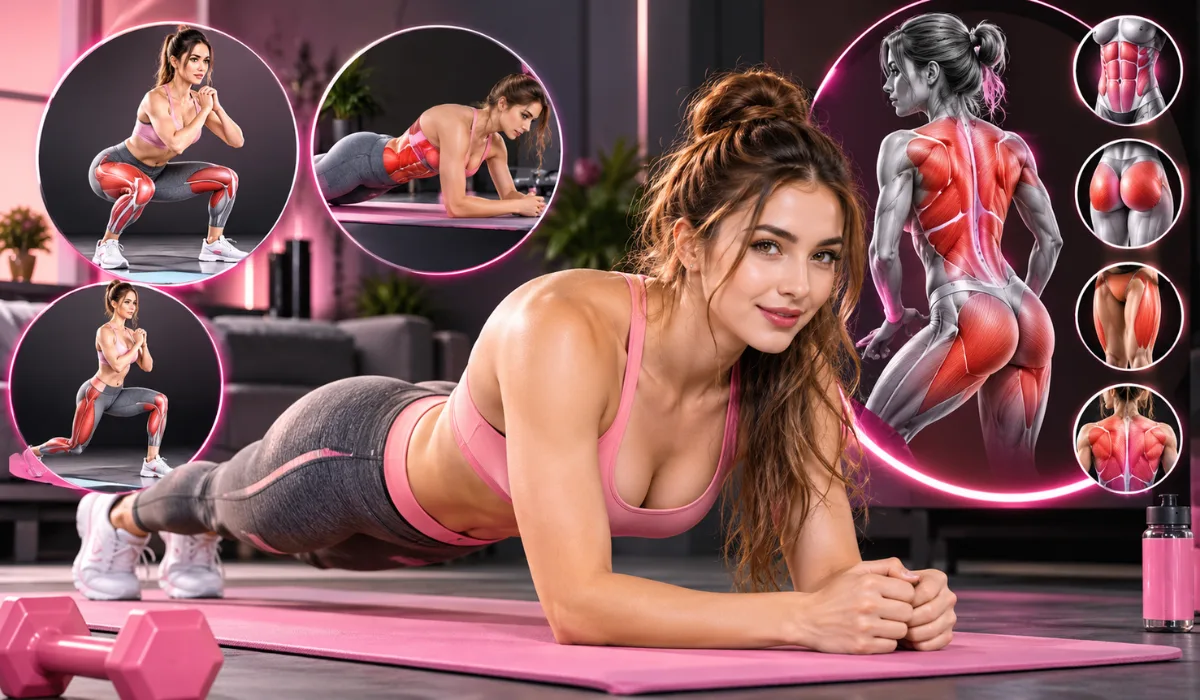
You do not need dumbbells, kettlebells, or resistance bands to get an incredible workout. Core strength fitness exercises at home without equipment rely entirely on gravity and your own body weight. This makes them safe, accessible, and completely free.
- The Dead Bug: Lie flat on your back with your arms pointing up and your knees bent at a ninety-degree angle. Slowly lower your right arm and left leg toward the floor, keeping your lower back pressed firmly into the ground. Switch sides. This is one of the safest easy core exercises for beginners at home.
- The Bird-Dog: Get down on your hands and knees. Extend your right arm straight forward and your left leg straight back. Hold for a second, then switch. This movement builds incredible balance and protects your spine.
- The Glute Bridge: Lie on your back with your knees bent and feet flat on the floor. Squeeze your glutes and lift your hips toward the ceiling. A strong core actually starts with strong glutes, making this a vital core muscle strengthening workout at home.
Expert Insight: "Most people think core training means working the front of the stomach," says Dr. Sarah Jenkins, a leading physical therapist and sports biomechanist. "True core stability involves a 360-degree approach. If you ignore the back and the hips, you leave your spine vulnerable to injury."
Read Also: Fitness Exercises For Better Health: Simple Daily Routine
Why Are Core Workouts Important?
Have you ever wondered why are core workouts important? Think of your spine as the tall mast of a sailing ship. The ropes holding that mast steady represent your core muscles. If those ropes are loose or weak, the mast will sway and eventually snap when a heavy storm hits.
A strong core protects your internal organs, improves your posture, and makes everyday tasks feel effortless. Whether you are carrying groceries, gardening, or playing with your kids, your core absorbs the shock and distributes the load safely. Simple core exercises for better stability can completely eliminate nagging lower back pain caused by sitting at a desk all day.
Best Exercises for Core Strength and Stability
When you want to level up your routine, you need to focus on stability. Best exercises for core strength and stability teach your body to resist unwanted twisting and bending, which is the exact secret to athletic power and injury prevention.
- The Side Plank: Lie on your side and prop your upper body up on your forearm. Lift your hips until your body forms a straight diagonal line. This targets your obliques—the muscles on the sides of your waist.
- The Forearm Plank with Shoulder Taps: Get into a standard forearm plank, then slowly tap your left shoulder with your right hand, and vice versa. This forces your core to fight rotation and builds raw stability.
- The Hollow Body Hold: Lie on your back, lift your shoulder blades and straight legs a few inches off the floor, and press your lower back into the mat. It looks simple, but it is one of the most effective core exercises for home workouts you can possibly do.
Top 10 Core Strength Fitness Exercises At Home
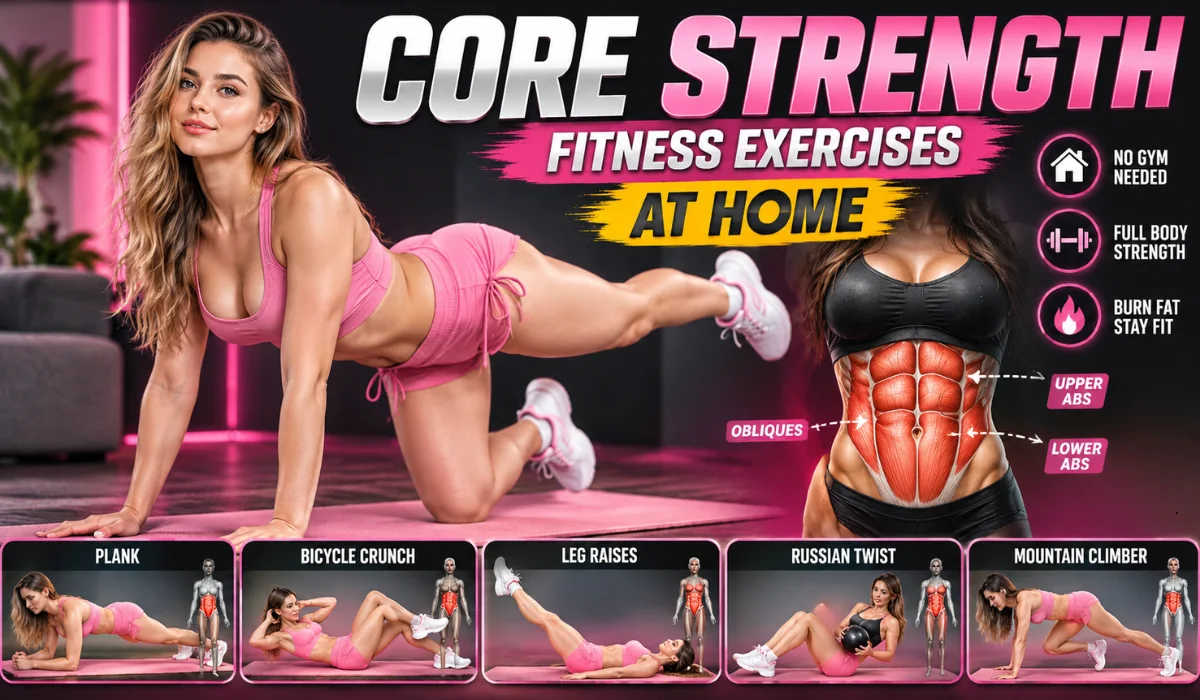
To make things easy for you, I have put together a definitive list. The Top 10 Core Strength Fitness Exercises At Home give you a complete toolkit for a bulletproof midsection. You can mix and match these movements to create your own custom routine.
- Forearm Plank: Builds isometric endurance across the entire front and back of your torso.
- Dead Bug: Master anti-extension and protect your lower back.
- Bird-Dog: Enhance spinal alignment and rear-chain strength.
- Glute Bridge: Fire up your glutes and lower back.
- Side Plank: Sculpt your obliques and lateral stability.
- Bicycle Crunches: Engage both the upper abs and the rotational oblique muscles.
- Mountain Climbers: Add a touch of cardio while hammering your deep core.
- Hollow Body Hold: Borrowed from gymnastics for ultimate abdominal control.
- Reverse Crunches: Target the lower abdominal region safely without neck strain.
- Plank Hip Dips: Dynamic side-to-side movement to challenge your obliques.
Real-Life Tip: When I first started doing bicycle crunches, I rushed through them like crazy. My trainer stopped me and said, "Slow down. Mind-muscle connection matters way more than speed." Once I started moving slowly and squeezing at the top, I felt the burn instantly.
How Can I Improve Core Stability?
Consistency is the secret sauce. How can I improve core stability? You do not need to spend an hour every day sweating on a yoga mat. Doing a focused 15 minute core strengthening workout just three to four times a week will yield massive results over the course of a single month.
Make sure you focus on your breathing. Never hold your breath during core exercises. Exhale deeply as you exert effort (like when you lift your legs or contract your abs), and inhale as you return to the starting position. This simple trick activates your deepest abdominal layer, known as the transversus abdominis.
Read Also: Effective Fitness Exercises At Home: No Equipment Routine
Low Impact Core Exercises At Home
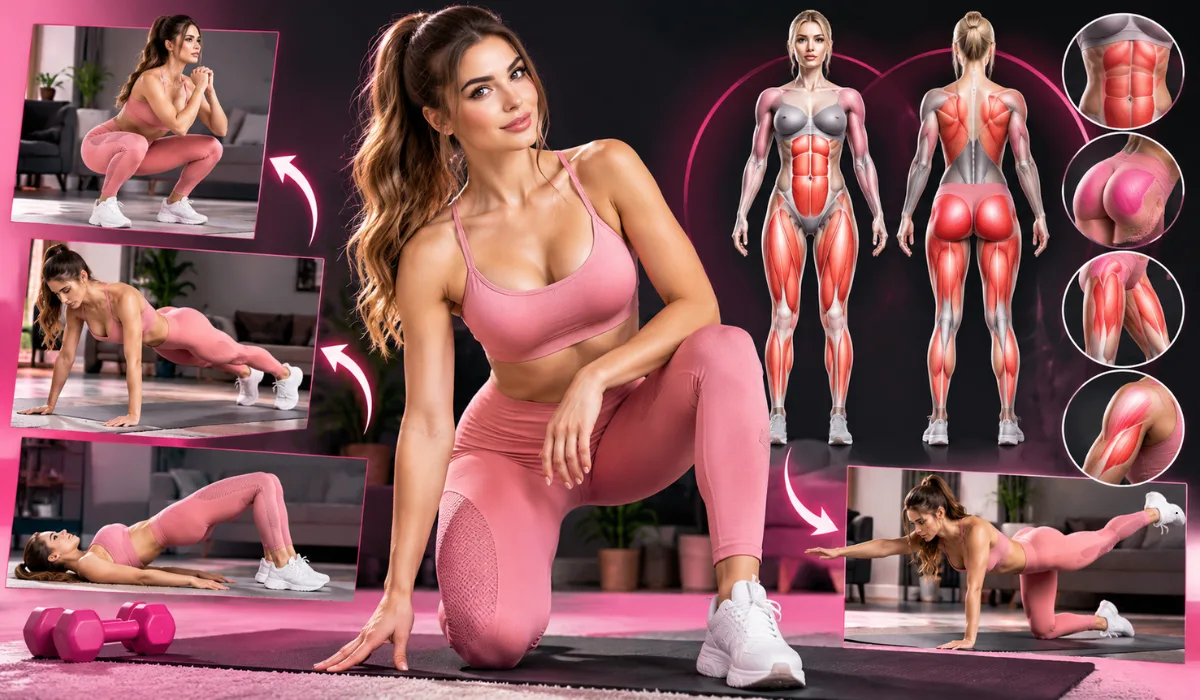
If you have sensitive joints, recovering from an injury, or simply prefer a gentler approach, you do not have to skip core day. Low impact core exercises at home keep your feet firmly on the ground while still delivering an intense, muscle-building stimulus.
- Standing Knee-to-Elbow: Stand tall, engage your core, and bring your right knee up to meet your left elbow, then switch. This is fantastic for older adults or anyone needing joint-friendly movements.
- Seated Knee Tucks: Sit on the edge of a sturdy chair, lean back slightly, and pull your knees toward your chest using only your abdominal muscles.
- Bird-Dog on an Incline: Place your hands on a sturdy countertop instead of the floor to reduce wrist and knee pressure while still getting all the stabilization benefits.
Advanced Core Strength Exercises At Home
Once the beginner and intermediate movements feel too easy, you are ready to test your limits. Advanced core strength exercises at home require incredible balance, supreme body control, and high levels of relative strength.
- The Long-Lever Plank: Get into a standard forearm plank, but walk your elbows forward a few inches past your shoulders. This drastically increases the mechanical load on your core.
- The V-Up: Lie flat on your back, then simultaneously lift your straight arms and straight legs to form a "V" shape in the air.
- The Plank-to-Pushup Transition: Start in a forearm plank, press up onto your right hand, then your left hand into a high plank, and lower back down one arm at a time.
Frequently Asked Questions
Can I do core exercises every day?
Yes, you can do light core movements daily, but if you are doing intense workouts that cause muscle fatigue, give your midsection 24 to 48 hours to rest and rebuild, just like any other muscle group.
Will core workouts give me flat abs?
Core exercises build strong muscle underneath, but visible abs depend heavily on your overall body fat percentage, which is tied directly to your daily nutrition and sleep habits.
How long before I see results from home core training?
Most people notice improvements in their posture, balance, and lower back comfort within two to three weeks of consistent home practice.
Final Thoughts
Building a strong, resilient body does not require a gym membership or complicated equipment. By mastering core strength fitness exercises at home, you invest in your long-term health, protect your spine, and unlock a brand new level of everyday energy. Start small, stay consistent, and listen to your body. Your future self will thank you!